


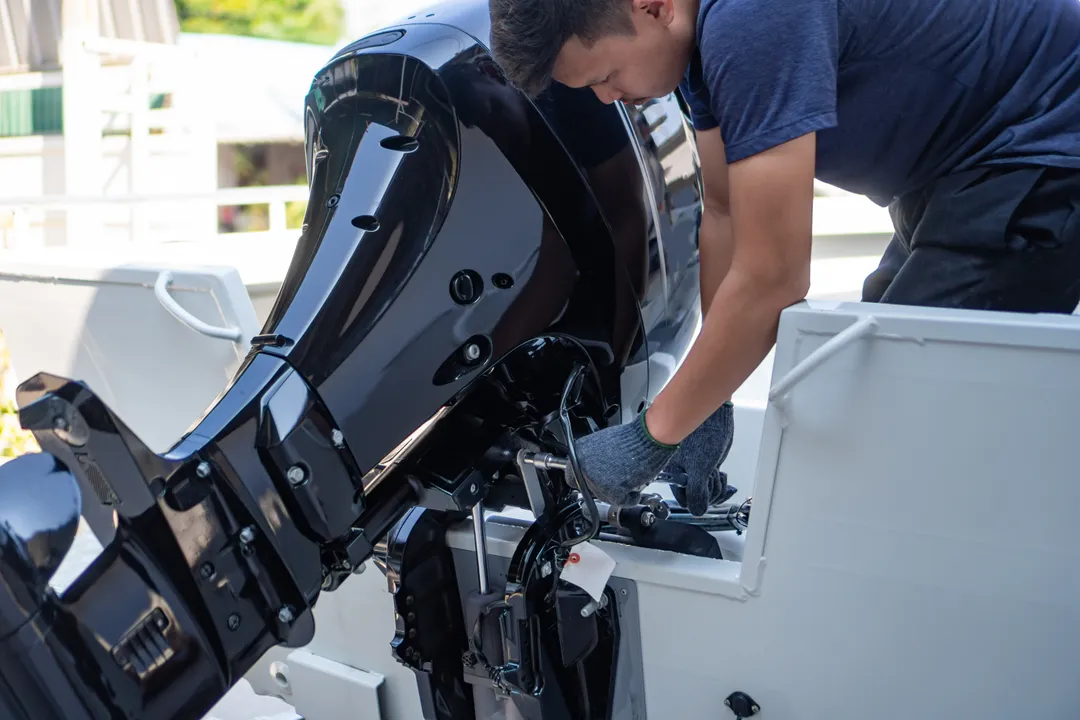
A new year is the perfect time to reset, get organized and make plans for the months ahead. For boat owners, that includes taking a closer look at maintenance and making sure your vessel is ready for another year on the water.
Between weekend cruises, fishing trips, family outings and longer adventures, it can be easy to lose track of routine maintenance. But staying ahead of service intervals and keeping organized records can make boat ownership easier while helping protect your investment.
Rather than waiting until something needs attention, start the year with a proactive service plan. Here are a few ways to organize your boat’s maintenance schedule and keep everything running smoothly throughout the year.
1. Start With Your Manufacturer’s Recommended Service Schedule
Every boat and engine has different maintenance requirements. Service intervals can vary depending on the manufacturer, engine type, model, usage and operating conditions.
Your owner’s manual and engine manufacturer’s maintenance guidelines should always be your starting point.
- Recommended engine service intervals.
- Oil and filter replacement schedules.
- Fuel and cooling system maintenance.
- Gearcase and drivetrain service requirements, where applicable.
- Battery and electrical system inspections.
- Generator and onboard system maintenance, if equipped.
- Recommended inspections for steering and other mechanical components.
Some maintenance is based on calendar intervals, while other services are determined by engine hours. Understanding both will help you avoid overlooking important service needs.
If you are unsure what your boat requires, a qualified marine service technician can help you establish a schedule based on your specific vessel and equipment.
2. Keep Track of Engine Hours
One of the most important numbers to monitor as a boat owner is your engine’s operating hours.
Many routine maintenance tasks are triggered by engine-hour intervals rather than simply the passage of time. For example, certain engines require scheduled maintenance at specific hour milestones.
Make it a habit to check and record your engine hours throughout the year. If your boat has multiple engines, make sure you track the hours for each one.
Keeping accurate records makes it easier to anticipate upcoming maintenance and communicate service needs.
3. Organize Maintenance Around the Calendar
Even if you do not use your boat frequently, certain maintenance items still require attention over time.
That is why a good annual service plan should account for both engine hours and calendar-based intervals.
Start with a review of your previous service records and identify anything that may be coming due. This is also a good time to schedule routine inspections and address any concerns from the previous boating season.
As boating activity picks up, make sure your boat is ready for more frequent outings. Review engine maintenance, batteries, navigation equipment, safety systems and other essential components.
During your busiest boating months, keep track of engine hours and pay attention to changes in performance. Make note of unusual sounds, warning indicators, fluid leaks or electrical issues.
Use quieter boating periods to catch up on scheduled maintenance, inspect systems and prepare your boat for any extended periods of non-use. Depending on your location and storage conditions, additional seasonal maintenance may be necessary.
Creating a seasonal routine makes it easier to stay organized without having to remember every service item throughout the year.
4. Keep Your Service Records Organized
Maintaining accurate service records is an important part of responsible boat ownership.
A well-documented maintenance history can help you keep track of completed work, identify upcoming service needs and provide useful information if you eventually decide to sell or trade in your boat.
- Routine engine maintenance and oil changes.
- Engine-hour readings at each service.
- Electrical and battery inspections.
- Repairs and replacement parts.
- Warranty-related service.
- Generator and onboard system maintenance.
- Any unusual performance concerns or issues addressed.
It is helpful to keep digital copies of invoices, inspection reports and maintenance records in one place.
If you own a boat with multiple engines or several onboard systems, organizing records by component can make everything easier to reference.
5. Pay Attention to the Details Beyond the Engine
While engine maintenance is an important part of your annual service plan, your boat has several other systems that deserve regular attention.
Electrical Systems: Inspect batteries, connections, wiring, navigation lights and onboard electronics.
Fuel Systems: Check fuel lines, connections, filters and other applicable components according to manufacturer recommendations.
Bilge Systems: Confirm that bilge pumps, float switches and related equipment are functioning properly.
Steering and Controls: Inspect steering systems, controls and associated components for proper operation.
Hull and Exterior: Look for visible damage, wear, corrosion and issues with hardware or fittings.
Safety Equipment: Review life jackets, fire extinguishers, communication equipment and other required safety gear.
The specific needs of your boat will depend on its design, equipment and how frequently you use it. A professional inspection can help identify areas that may need additional attention.
6. Work With a Marine Service Team to Stay on Schedule
Keeping up with maintenance is much easier when you have a plan and a service team familiar with your boat.
A marine service professional can help you understand manufacturer recommendations, identify upcoming service intervals and prioritize maintenance based on your boat’s current condition and usage.
This is particularly helpful if you own a boat with multiple engines, advanced electronics, a generator or additional onboard systems.
Instead of trying to coordinate everything on your own, consider scheduling an annual service-planning appointment to review your maintenance history and establish a schedule for the year ahead.
Make This the Year of Proactive Boat Care With Legendary Marine
A little organization at the beginning of the year can go a long way toward making boat ownership more enjoyable.
By tracking engine hours, following manufacturer recommendations, maintaining accurate service records and planning inspections ahead of time, you can take a more proactive approach to caring for your boat.
At Legendary Marine, our service team is here to help you stay ahead of routine maintenance and better understand the needs of your vessel.
Start the Year With a Plan
Schedule a service-planning appointment with Legendary Marine to review your boat’s maintenance needs, organize upcoming service intervals and prepare for another great year on the water.
Schedule ServiceHere’s to more time boating and less time worrying about what’s due next!