


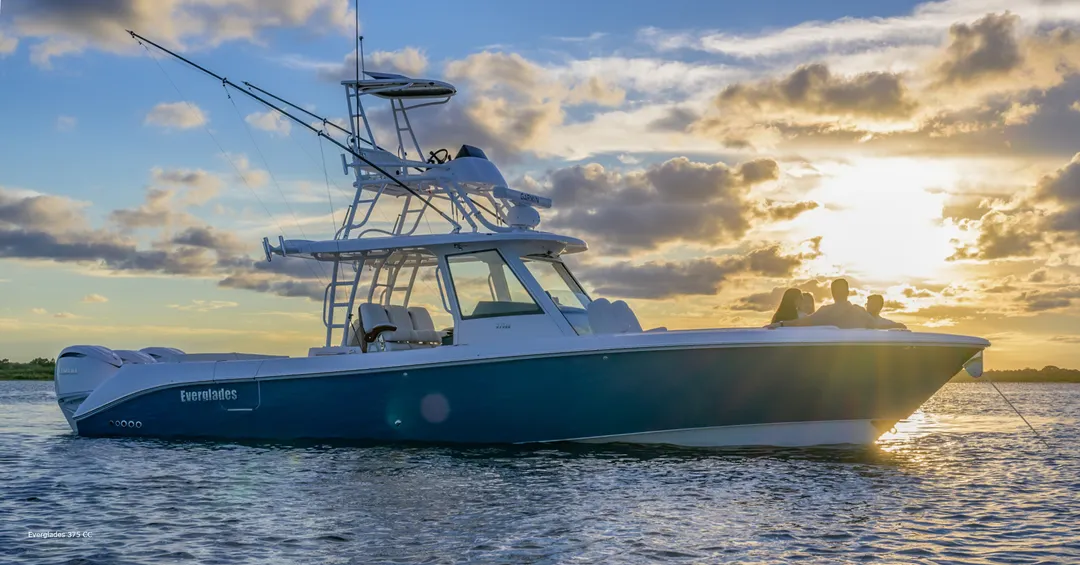
Advanced boat anchoring on the Gulf Coast is a critical skill for ensuring the safety and stability of your vessel, especially when navigating the shifting sand bottoms of Destin or the tidal currents of Pensacola and Panama City Beach. Proper technique prevents your boat from drifting into hazards and protects your hull from damage during high-traffic weekends at local sandbars.
1. Selecting the Right Anchor for Gulf Conditions
The success of your set depends heavily on matching your anchor type to the seabed. Along the Emerald Coast, you will primarily encounter sand, mud, and occasional rocky patches.
- Claw Anchor: Highly versatile and popular for its ability to set quickly in various seabeds.
- Delta Anchor: Known for exceptional holding power and quick-setting properties in the Gulf's sandy bottoms.
- Fluke (Danforth) Anchor: The lightweight choice for soft sand and mud. Brands like Fortress offer aluminum-magnesium alloy versions that are easier to handle without sacrificing strength.
- Grapnel Anchor: Ideal for smaller vessels or as a secondary hook when anchoring near rocky structures or jetties.
- Plow (CQR) Anchor: Provides strong holding power across a wide range of seabed types found in the Alabama and Florida coastal regions.
2. Advanced Anchor Materials and Design
Modern engineering has introduced materials that move away from pure weight in favor of design efficiency. For example, high-performance anchors made from aluminum-magnesium alloys offer incredible holding power while being light enough for easy deployment. A premium hook, such as a Fortress anchor, may even feature adjustable fluke angles (like a 45-degree setting) specifically designed for "soupy" mud bottoms often found in back bays. If you need to upgrade your ground tackle, visit our Parts department for a selection of coastal-grade gear.
3. Mastering Scope and Setting
In the open Gulf or deep channels, calculating the correct "scope" (the ratio of anchor line to water depth) is vital. While a 5:1 ratio may work in calm bay waters, a 7:1 or even 10:1 ratio is recommended for overnight stays or when facing tidal surges. Always reverse slowly to "set" the anchor, ensuring it is firmly buried before you shut down your engines. If you find your current vessel’s windlass is struggling or you need more power for the Gulf, consider our Mercury Repower or Yamaha Repower options for improved reliability.
4. Secondary Anchoring for Stability
When anchoring in high-current areas like the Destin East Pass or near Gulf Shores, a second anchor is often necessary to prevent "sailing" (swinging back and forth).
- Bahamian Moor: Using two anchors off the bow to limit your swing radius in tight anchorages.
- Fore-and-Aft: Setting one anchor at the bow and another at the stern to keep the boat perpendicular to the shoreline, which is essential for beaching or sandbar visits.
- Storm Anchors: Always keep a slightly larger "storm anchor" in your Marina & Storage locker or on board for unexpected inclement weather.
5. Professional Support and Upgrades
If you are unsure if your current setup is sufficient for offshore adventures, our Staff can help evaluate your gear. For those looking to upgrade to a vessel with advanced anchoring systems like integrated windlasses or digital "Skyhook" positioning, browse our New Boats For Sale or explore our Used Boats For Sale. We also offer competitive Sell / Trade evaluations to help you move into a boat better suited for the Gulf lifestyle.
Frequently Asked Questions
Does my insurance cover damage if my anchor fails?
Policies vary, so it is important to review your Marine Insurance for specific coverage regarding groundings or drifting incidents.
How do I learn about local anchoring regulations?
Stay updated on local ordinances and safety zones by checking our Blog or attending our Upcoming Events.
Can I get financing for a new boat with a windlass?
Yes, our Financing team can help you secure a plan for a new vessel. You can even use our Payment Calculator to estimate your monthly investment.