


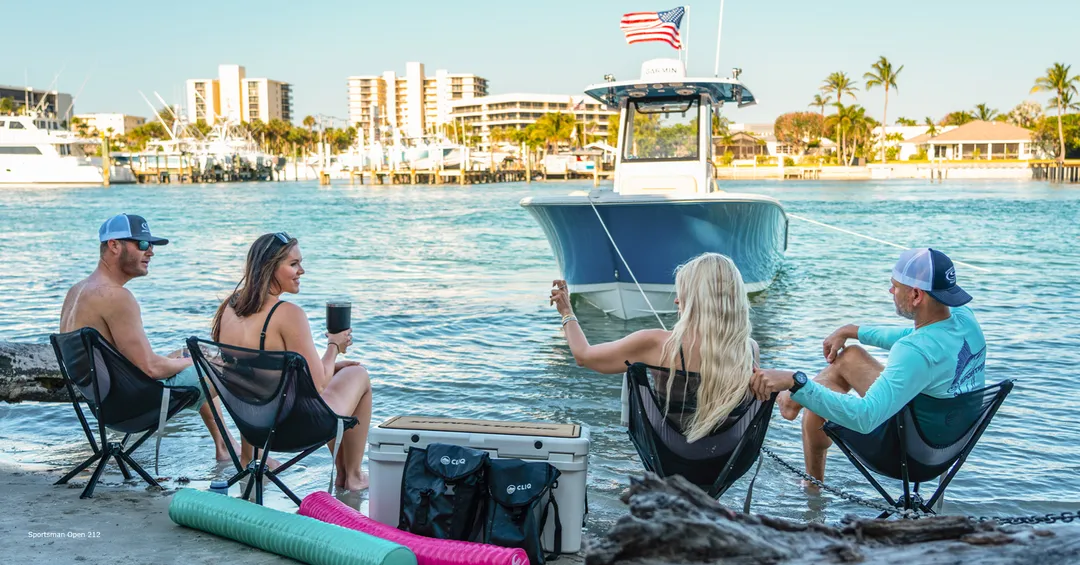
Beaching your boat at popular Emerald Coast spots like Crab Island in Destin or Shell Island in Panama City Beach is a staple of the Florida lifestyle. However, doing it incorrectly can lead to hull damage or a stranded vessel when the tide goes out. By following professional techniques, you can ensure your day at the sandbar is safe and your boat remains in peak condition.
1. Survey the Shoreline
Not all beaches are created equal. Before approaching, scan for submerged rocks, oyster beds, or debris that could damage your gelcoat. Look for areas with soft, clean sand and avoid spots with heavy shore break or strong cross-currents.
2. Approach Slowly and Trim Up
A common mistake is approaching the beach with too much momentum.
- Slow Down: Shift into neutral frequently to gauge your drift.
- Trim the Engine: Raise your outboard or sterndrive to avoid sucking sand or shells into the cooling system. If you suspect your cooling system or impeller has been compromised by sand, Contact us for a diagnostic check.
- Turn Off Early: Switch off the engine once you are in waist-deep water and let the momentum guide the bow to the sand.
3. Use a Stern Anchor
To prevent the tide or wind from pushing your boat sideways and grounding it parallel to the shore, use a two-anchor system. Drop a stern anchor well before you hit the beach, then secure a bow line to the shore or a second anchor on the sand. This keeps the boat perpendicular to the waves and makes it much easier to pull back out when it’s time to leave.
4. Watch the Tides
Along the Gulf Coast, tides fluctuate significantly throughout the day. If you beach your boat at high tide without moving it periodically, you may find yourself high and dry a few hours later. Check our Blog for more local tips on navigating the specific tidal patterns of the Pensacola and Destin areas.
5. Protect Your Investment
Beaching is inherently abrasive to the bottom of your boat. If you frequently visit sandbars, consider a keel guard or professional bottom protection. If you find your current vessel is too difficult to beach or you want a shallower draft for the Gulf Shores area, you can browse our New Boats For Sale or Used Boats For Sale. We also offer fair market Sell / Trade evaluations to help you upgrade to a boat that fits your lifestyle.
Frequently Asked Questions
Is beaching bad for my engine?
It can be if sand or mud is sucked into the intake. If your engine is aging or has suffered cooling issues, explore our Mercury Repower or Yamaha Repower options for a fresh, reliable start.
How can I learn more about local boating safety?
We often host community workshops and safety sessions. Check our Events page for upcoming opportunities to sharpen your skills.
What should I do if my boat gets stuck?
Never try to force the engine to push you off a sandbar, as this will clog your cooling system. Wait for the tide to rise or call for professional towing. Having comprehensive Marine Insurance is vital for covering these types of on-water incidents.