


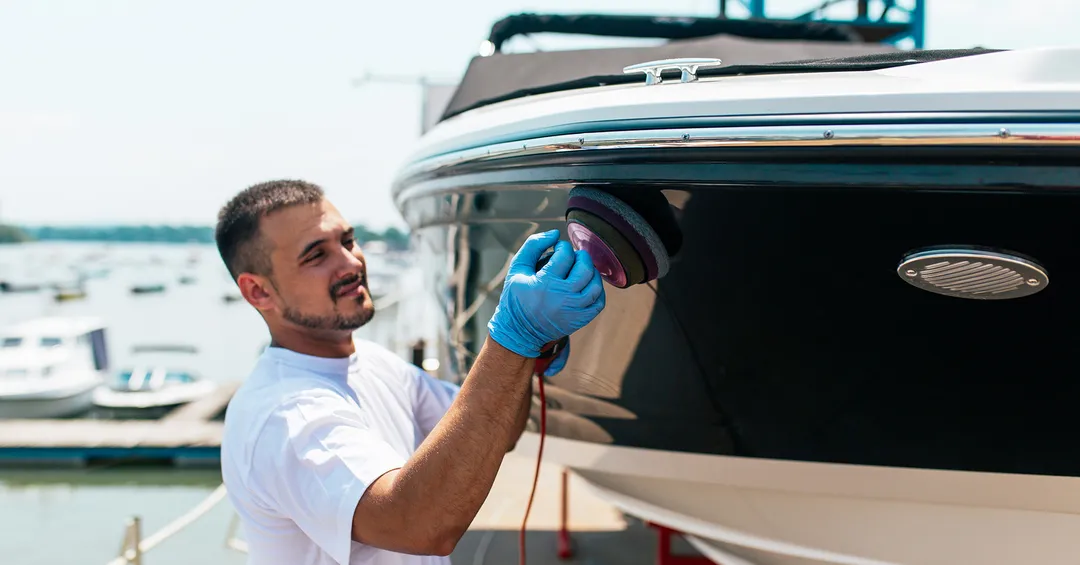
Preparing your boat for the spring season on the Gulf Coast requires a dedicated approach to counteract the effects of winter storage and the corrosive saltwater environment. Whether you are launching in Destin, Pensacola, or Panama City Beach, a comprehensive maintenance routine ensures that your first trip to the sandbar is safe and mechanically sound.
1. Inspect and Test the Battery
After months of storage, your battery is the most likely component to fail. Check the charge levels and inspect the terminals for any signs of corrosion. Ensure all connections are tight and clean. If your battery isn't holding a charge or if you notice significant wear on the cables, it is better to address it now than to be stranded in the Choctawhatchee Bay.
2. Service the Engine and Outboards
Salt air can lead to internal corrosion even while a boat is sitting.
- Cleaning: Remove any salt residue, dirt, or debris that accumulated during the off-season.
- Mechanical Check: Inspect fuel lines and spark plugs for brittleness or damage. Check wires and cables for fraying.
- Repower Options: If your engine is showing its age or lacks the reliability needed for the open Gulf, consider exploring Mercury Repower or Yamaha Repower options to modernize your vessel's performance.
3. Evaluate the Fuel System
Fuel systems are highly vulnerable to the humidity of the Emerald Coast.
- Leak Inspection: Check all hoses, connections, and tank surfaces for leaks or softness. Replace any hoses that appear brittle or cracked.
- Fuel Quality: Avoid using fuel with more than 10% ethanol (E10), as it can cause significant damage to marine engines.
- Fuel-Water Separator: Ensure your separator is clean and functioning to prevent water from entering the engine—a common issue in coastal environments.
4. Replace Fluids and Filters
Regularly changing fluids is a cost-effective way to prevent major repairs.
- Oil and Filters: Change the engine oil and replace the oil filters.
- Coolants: Check coolant levels and flush the system if necessary to ensure proper temperature regulation during the hot Florida summer.
- Parts: For high-quality components and maintenance kits, visit our Parts department.
5. Audit Your Safety Equipment
Safety standards are non-negotiable for coastal boating.
- Life Jackets: Verify you have enough Coast Guard-approved life jackets for all passengers and that they are in good condition.
- Fire Extinguishers: Ensure onboard extinguishers are fully charged, the correct class for your boat, and easily accessible.
- Night Visibility: Test all navigation and anchor lights. If you have questions about specific safety requirements for Gulf Shores or Miramar Beach, you can Contact our team for guidance.
6. Consider Your Storage Needs
As the season ramps up, having a reliable home for your boat is essential. Professional Marina & Storage options can protect your vessel from the elements and provide easy access for your spring adventures.
Frequently Asked Questions
When should I start my spring maintenance?
Ideally, you should begin several weeks before your first planned outing to allow time for parts ordering or professional service if issues are discovered.
Is it time to upgrade to a newer model?
If your maintenance checklist is becoming prohibitively expensive, it may be time to browse our New Boats For Sale or Used Boats For Sale. We also provide professional Sell / Trade evaluations.
How do I find out about local boating events?
Check our Events page for community launches, safety workshops, and holiday gatherings along the Gulf Coast.