

After a busy summer on the Emerald Coast, your boat has probably seen plenty of use. Long days on the Gulf, trips through Choctawhatchee Bay, fishing excursions and weekends at the sandbar can all add up.
Before heading out for another season of boating, take a little time to give your boat a thorough inspection. A quick pre-fall check can help you catch small problems before they become bigger issues on the water.
Use this checklist to make sure your boat is ready for the months ahead.
1. Check Your Engine and Fluids
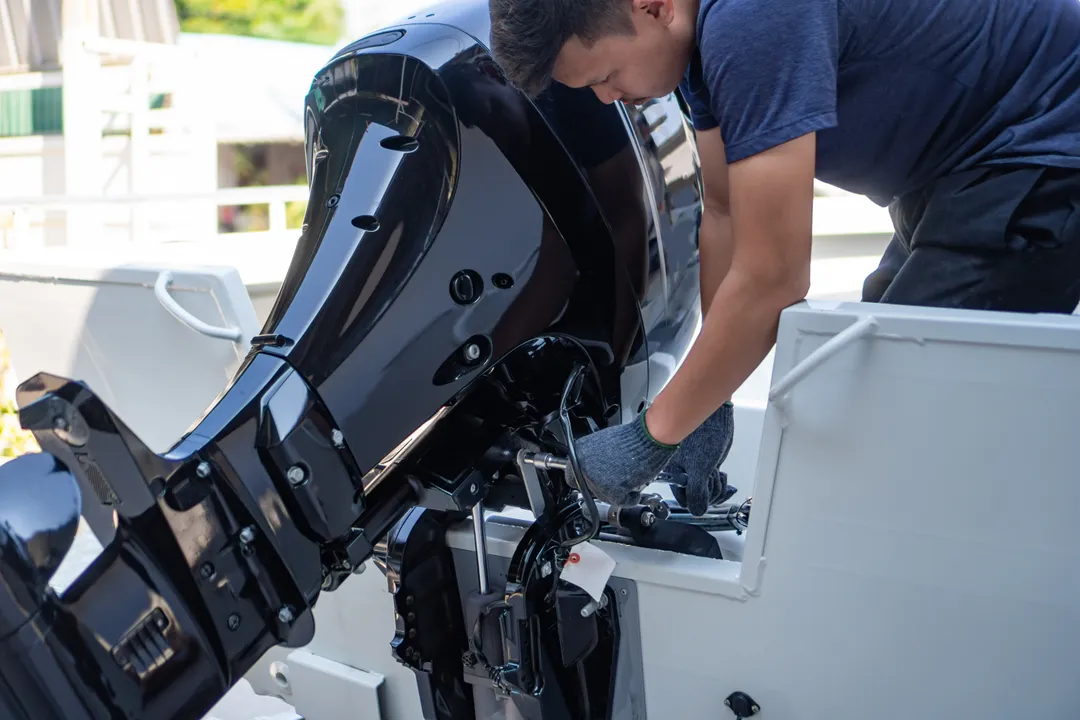
Your engine should be the first stop on your pre-fall checklist. Even if it has been running well all summer, a quick inspection can help identify potential problems before your next trip.
Check:
- Engine oil: Check the level and condition and change it according to the manufacturer’s recommended service schedule.
- Fuel system: Inspect fuel lines, connections and the fuel filter for signs of leaks, cracking or deterioration.
- Cooling system: Check coolant levels on applicable engines and look for signs of overheating or leaks.
- Belts and hoses: Look for cracking, fraying, swelling or loose connections.
- Propeller: Check for fishing line, dents, bends or other damage.
For outboard owners, inspect the lower unit and look for signs of damage or fluid leakage.
If your engine is due for scheduled service or something does not look right, it is better to address it while the boat is at the dock than after you are already on the water.
2. Test Your Battery, Bilge and Electrical Systems
A weak battery or malfunctioning electrical system can quickly turn a boating day into a trip back to the dock.
Inspect your batteries and connections for corrosion, loose cables, damage or poor charge. If your boat has multiple batteries, make sure each one is functioning properly.
Then test your bilge pump and automatic float switch. While you are in the bilge, look for unexpected water, oil or anything else that seems out of place.
Finally, test your major electrical components, including:
- Navigation lights
- Anchor light
- Bilge pump
- Horn
- VHF radio
- GPS/chart plotter
- Fish finder
Catching an electrical issue while your boat is at the dock is much better than discovering it offshore.
3. Inspect Your Safety Equipment
Your safety equipment should always be ready to go, regardless of the season.
Take a few minutes to review:
- Life jackets for everyone on board
- Throwable flotation device
- Fire extinguisher
- Sound-producing device or horn
- Visual distress signals, when required
- First-aid kit
- Emergency communication equipment
Replace expired, damaged or missing equipment as necessary. Requirements can vary based on your vessel and location, so review current Florida or Alabama regulations that apply to your boat.
4. Look Over the Hull, Propeller and Steering
Give your boat a walk-around inspection from bow to stern.
Look for cracks, chips, loose hardware, corrosion, damaged rub rails or signs of water intrusion. Pay particular attention to areas exposed to saltwater, where corrosion can develop over time.
Check your propeller for damage and make sure there is no fishing line or other debris wrapped around it.
Your steering and throttle controls should also operate smoothly. If you notice excessive play, resistance, unusual noises or anything that feels different from normal, have the system inspected before heading out.
5. Inspect Your Fuel System
Your fuel system deserves a closer look before you head out for another season of boating.
Inspect fuel lines, connections, filters and other accessible components for cracks, deterioration, loose fittings or signs of leaking. If you notice a fuel odor that seems unusual or persistent, do not ignore it.
Check your fuel level before every outing and make sure your fuel system is being maintained according to your engine and boat manufacturer’s recommendations.
If you suspect a fuel-related problem, have it professionally inspected before operating the boat.
6. Check Your Anchor, Lines and Trailer
Do not overlook the equipment that helps you secure and transport your boat.
Inspect your anchor, chain, rode, shackles and connections for excessive wear or corrosion. Your dock lines and fenders should also be checked for fraying, stiffness or other damage.
If you trailer your boat, give the trailer its own inspection. Check:
- Tires and tire pressure
- Trailer lights
- Brakes
- Wheel bearings
- Winch strap
- Safety chains
- Tie-down straps
- Bunks or rollers
A trailer problem can be just as disruptive as a boat problem, so make sure everything is ready before you head to the ramp.
7. Clean, Protect and Schedule Needed Service
After a busy summer, your boat could benefit from a thorough cleaning. Rinse away salt and residue with fresh water, clean the upholstery and deck, and look for mildew, corrosion, staining or other signs of wear.
A good cleaning also gives you an opportunity to spot problems that may otherwise go unnoticed.
If your inspection reveals an issue you are not comfortable handling yourself, schedule service before your next outing. Legendary Marine’s Service Department can help with routine maintenance, diagnostics, repairs and other service needs.
For boat owners who prefer to handle some maintenance themselves, Legendary Marine Parts offers marine parts, accessories, maintenance supplies and other boating essentials.
Your Quick Pre-Fall Boat Checklist
Before your next fall outing, make sure you can check off these items:
- Engine oil and fluids checked
- Fuel system inspected
- Belts and hoses checked
- Propeller inspected
- Batteries tested
- Electrical systems tested
- GPS and electronics tested
- VHF radio tested
- Safety equipment inspected
- Fire extinguisher checked
- Hull inspected
- Steering and controls tested
- Anchor and rode inspected
- Dock lines and fenders checked
- Trailer inspected, if applicable
- Boat cleaned and rinsed
- Needed maintenance scheduled
Frequently Asked Questions
How often should I inspect my boat?
What should I check on my boat after a busy summer?
When should I have my boat professionally serviced?
Get Your Boat Ready for Fall
A few minutes spent inspecting your boat before your next outing can help you avoid discovering a problem when you are already at the launch ramp or miles offshore.
Work through the checklist, take care of anything that needs attention and get your boat ready for another season on the Emerald Coast.
If you need help with maintenance, repairs or parts, contact Legendary Marine to get your boat ready for your next day on the water.